
Does Blackwork Tattoo Fade Over Time?
- Jonny Inkz
- 4 days ago
- 6 min read

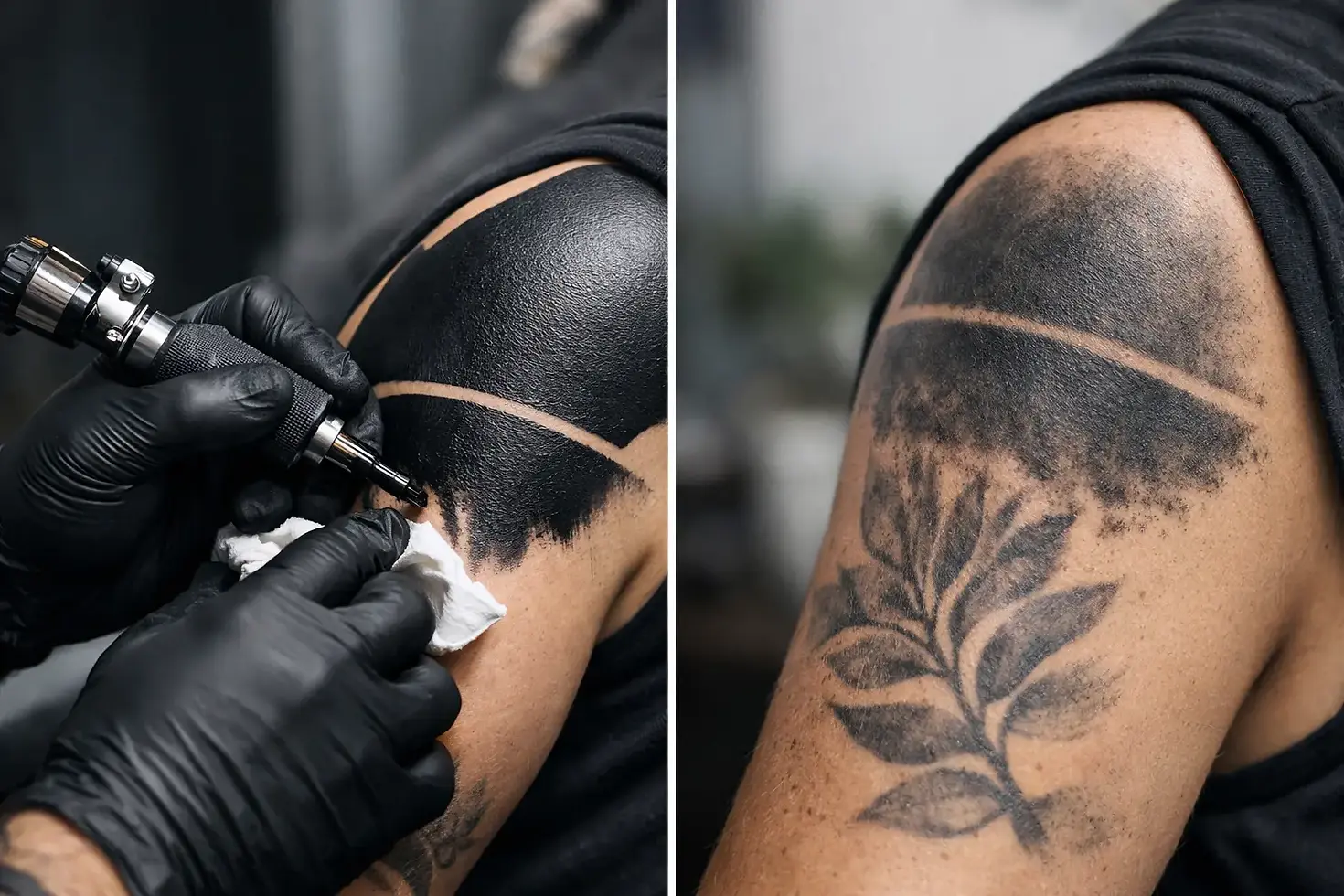
A fresh blackwork piece can look brutally solid on day one - dense, sharp and properly saturated. So it makes sense that one of the first questions people ask is, does blackwork tattoo fade? The honest answer is yes, every tattoo changes with time. But blackwork usually holds better than many lighter, softer styles when it is designed well, applied properly and looked after.
That last part matters. No tattoo stays exactly as it was when you first leave the studio. Skin ages, sun exposure adds wear, and the body gradually softens edges over the years. Good blackwork is built with that in mind.
Does blackwork tattoo fade more or less than other styles?
In most cases, less. Black pigment tends to age more strongly than colours that rely on lighter tones or more delicate contrast. A solid black design has a better chance of staying readable over time because the pigment is bold from the start. That is one reason blackwork remains such a reliable choice for people who want impact and longevity.
That said, not all blackwork ages the same way. A heavy ornamental sleeve packed with solid fill will behave differently from a fine line blackwork design with lots of open skin and tiny details. Both are blackwork in a broad sense, but they do not carry the same long-term risks.
The simple version is this: bold, well-spaced blackwork usually lasts very well. Overworked, rushed or overly intricate blackwork can still heal poorly and lose clarity.
What fading actually looks like in blackwork
People often imagine fading as a tattoo disappearing. That is rarely what happens. More often, blackwork softens. The darkest areas may lighten slightly. The edges can become less crisp. Very small gaps between shapes may close a touch as the ink settles in the skin over the years.
This is normal ageing, not failure.
A well-executed blackwork tattoo should still read clearly long after it has healed. The goal is not to pretend time does not exist. The goal is to tattoo in a way that still looks strong once time has done its part.
Why some blackwork tattoos fade faster
Technique comes first. If the artist has not packed the black consistently, or if the skin has been overworked during the session, the healed result can end up patchy. Some areas may take beautifully while others heal lighter and need a touch-up.
Placement also has a say. Hands, fingers, feet and areas that get frequent friction tend to fade faster. A blackwork piece on the forearm, upper arm, thigh or calf will usually age more predictably than one on the side of a finger or the top of a foot.
Then there is design. Blackwork can be incredibly durable, but there is still a difference between a design made for skin and one made for a screen. Tiny decorative breaks, ultra-fine negative space and compressed detail may look clean when fresh, then lose separation later on. Good tattoo design is not just about how it looks now. It is about how it will wear.
The role of aftercare
A lot of people ask whether fading is mainly about the ink. In reality, healing habits make a major difference, especially in the first few weeks.
If you pick at scabs, soak the tattoo too early, ignore aftercare advice or expose it to too much sun while it is healing, you increase the chance of uneven healing and loss of saturation. Blackwork needs to settle properly. No rushing. No shortcuts.
Once healed, sun exposure becomes the biggest long-term factor. UV breaks down tattoo pigment over time. That applies to every style, but it is especially noticeable in large black areas because any softening can reduce that crisp, velvety finish people love in blackwork.
If you want it to stay bold for longer, keep it protected. Moisturised skin also tends to show tattoos better than dry, neglected skin. Simple habits help.
Does blackwork tattoo fade if it is very heavy?
Heavy blackwork often ages well, but there is a trade-off. Large areas of solid black can remain visually powerful for years, yet they need to be put in correctly. If the artist chases saturation too aggressively and traumatises the skin, healing can suffer. If they do not go far enough, the fill may heal patchy.
This is where experience matters. Proper blackwork is not just about making skin dark. It is about consistency, control and understanding how the skin takes pigment across different body areas.
For clients, this is one reason choosing on price alone can backfire. Blackwork may look simple from the outside because it is “just black”, but solid work is technically demanding. Clean packing and long-term readability take skill.
Fine line blackwork versus bold blackwork
This is where expectations need to stay realistic. Fine line blackwork can be beautiful, but it will generally not age the same way as bolder work. If the design depends on hairline detail, tiny spacing and very subtle shape changes, those details are more vulnerable as the tattoo settles.
That does not mean fine line blackwork is a bad choice. It means it should be designed carefully and placed sensibly. A client who wants something delicate should know what that means at five years, not just five days.
Bolder blackwork usually has more staying power because it gives the design room to breathe. Strong shapes, clear spacing and enough scale make a difference. Skin is not paper. It moves, stretches and changes.
Can blackwork be touched up?
Yes, if needed. Some blackwork tattoos benefit from a touch-up once healed, particularly if the skin has rejected a few small areas or if the tattoo sits on a tricky part of the body. That is not unusual, and it does not automatically mean anything went wrong.
Later in life, some people also choose to refresh older blackwork to bring back contrast. Whether that is worth doing depends on the design, the placement and how it has aged. Sometimes a touch-up is straightforward. Sometimes the tattoo has settled in a way that calls for a more considered approach.
This is another reason custom work matters. When a tattoo is designed properly from the start, you are not just buying a day-one result. You are investing in how it wears.
Skin, lifestyle and the fading question
Two people can get similar blackwork pieces and see them age differently. Skin type plays a part. So does lifestyle. If you work outdoors, spend a lot of time in the sun, train in ways that create constant friction on the tattooed area, or your skin tends to heal unpredictably, that all affects the result.
Ageing also changes texture and tone in the skin itself. The tattoo is living in that environment. It cannot stay frozen in time.
That is why honest consultation matters. At Kartel Collective, the right design is never just about what looks good in the moment. It has to suit the body, the area being tattooed and how the piece is expected to settle over time. If it has to be adjusted to age better, that is part of doing the job properly.
How to keep blackwork looking strong for longer
The biggest wins are not complicated. Follow aftercare properly while it heals. Do not pick or scratch. Avoid soaking it too early. Keep it out of direct sun in the healing stage. After that, protect it from UV when exposed and keep your skin in decent condition.
It also helps to choose the right artist and the right design in the first place. A strong tattoo ages better than a rushed one. A design with enough scale and contrast usually outperforms one trying to cram too much into too little space.
If you are unsure, ask direct questions before booking. How will this age on that body part? Does the design need more space? Will the black be solid, textured or broken up with negative space? Those conversations are worth having.
So, does blackwork tattoo fade?
Yes - but fading is not the full story. Blackwork does change, just like every tattoo does, yet it is often one of the better-performing styles over time because black pigment tends to remain readable and strong. The result depends on design, placement, technique, aftercare and how honest the plan was from the start.
The best blackwork is not just made to look good fresh. It is made to live well in skin. If you want something that still carries weight years down the line, that is the standard to aim for.


Comments